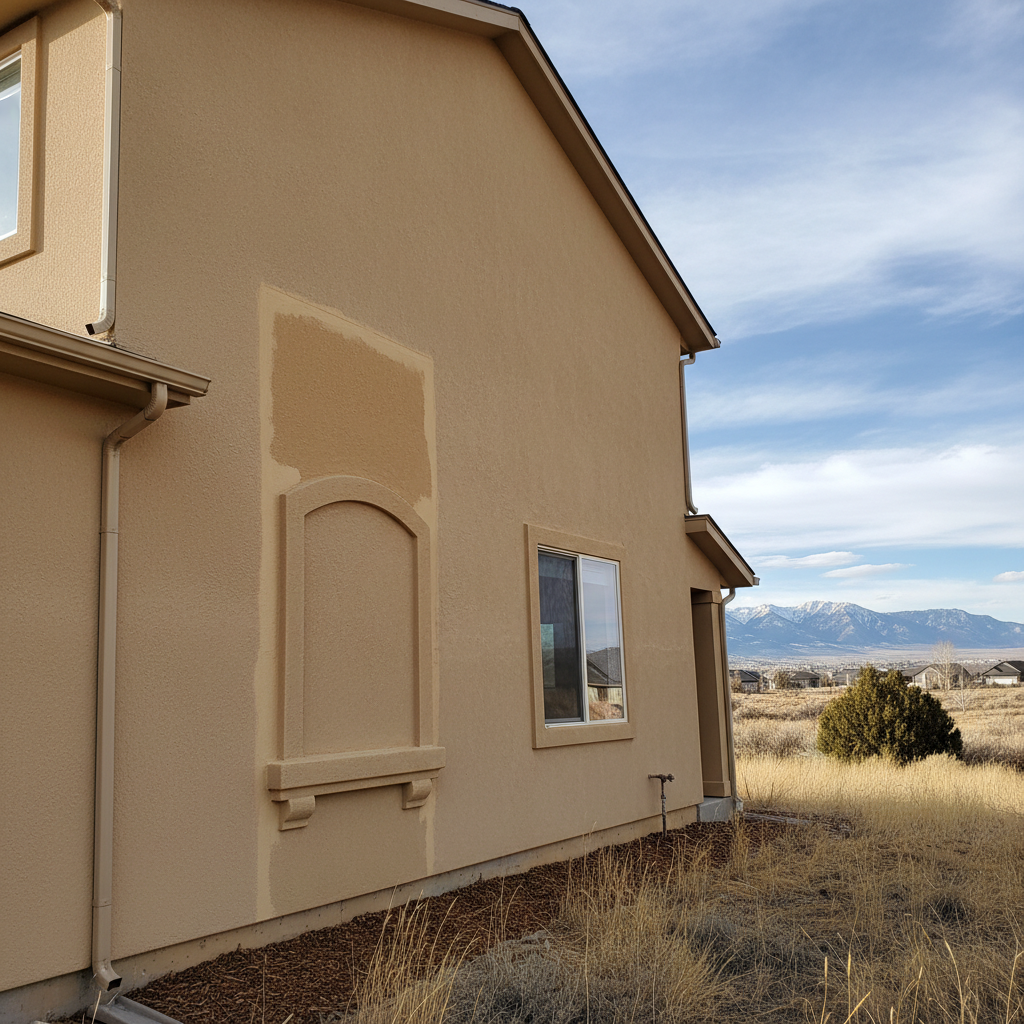
When's the best time to get that stucco fixed? It's a question I hear a lot, especially living and working right here in South Jordan. You'd think it's just 'whenever you notice a problem,' but with stucco, timing can make a real difference in how long that repair lasts and how much it costs you down the line.
I've been in this business for years, seen all sorts of stucco, from the older homes near the Jordan River Parkway to the newer builds up in Daybreak. Our climate here in Utah, with its wild temperature swings and dry air, really puts stucco through its paces. So, let's talk about when to tackle those repairs and how to keep your stucco looking good all year.
The Best Times for Stucco Repair in South Jordan
Honestly, you can do stucco repairs any time of year, but some seasons are just better for it. You want conditions that help the new material cure properly and bond well with the old. That usually means moderate temperatures and not too much moisture.
Spring (Late March to Early June): This is prime time. The ground's thawed, the really harsh cold is gone, and we haven't hit those scorching summer temps yet. The stucco materials cure nicely, and you're less likely to run into issues with freezing or rapid drying. It's also a good time to catch any winter damage before it gets worse.
Fall (September to Early November): Another excellent window. The summer heat has backed off, and we usually get a good stretch of mild, dry weather. It's a great chance to get repairs done before the really cold, wet stuff hits. You don't want water getting into cracks and freezing over winter; that's a recipe for bigger problems.
What about summer and winter? We can definitely do repairs then, but it comes with its own set of challenges. In summer, the heat can make stucco cure too fast, leading to cracking if it's not handled right. We'll often need to take extra steps like misting the area to slow down the drying. Winter is tough because freezing temperatures can prevent the stucco from bonding properly. If it's below 40°F, we're usually looking at using special additives or even setting up temporary enclosures with heaters, which adds to the complexity and cost. It's not impossible, but it's not ideal.
Weather Conditions That Affect Stucco Work
It's not just the season; it's the daily weather too. Here's what we're always looking at:
Temperature: As I mentioned, extreme heat or cold isn't great. We aim for that sweet spot, usually between 40°F and 90°F. Outside of that, we've got to adjust our methods.
Humidity: Low humidity, which we get a lot of here in Utah, means stucco can dry out too quickly. High humidity can slow down curing. We're always monitoring it to make sure the mix is just right and it's curing at the proper rate.
Rain: You can't apply stucco in the rain. Period. It washes away the material, dilutes the mix, and prevents proper adhesion. We'll always reschedule if rain is in the forecast. Even after a heavy rain, we need to make sure the substrate is dry before we start.
Wind: High winds can dry out stucco too fast, similar to low humidity. It can also blow dust and debris into fresh stucco, which you definitely don't want.
When you call Allied Stucco Co for a repair, we're not just looking at the crack; we're looking at the forecast and the conditions on your property. We want to make sure the repair we do is going to last.
Protecting Your Stucco Investment Year-Round
Repairs are one thing, but preventing problems is even better. Here's how you can keep your stucco in top shape:
Regular Inspections: Walk around your house a couple of times a year, especially after winter and before winter. Look for hairline cracks, chips, or any discoloration. Pay close attention around windows, doors, and where different materials meet. Those are common spots for issues to start.
Manage Water: This is huge. Make sure your gutters are clean and draining properly, directing water away from your foundation. Check your sprinklers aren't constantly hitting your stucco walls. Water is stucco's biggest enemy; it'll find its way into any tiny opening and cause problems.
Sealant Maintenance: The caulking around windows, doors, and other penetrations needs to be in good shape. If it's cracked or pulling away, water will get in. Re-caulk as needed.
Keep it Clean: Gently wash your stucco once a year or so with a soft brush and mild detergent. This prevents dirt and mildew buildup, which can hold moisture against the surface.
Address Issues Promptly: Don't let a small crack turn into a big problem. The sooner you address a repair, the less extensive and costly it's likely to be. Think of it like a tiny cavity in your tooth; ignore it, and you're looking at a root canal.
Taking care of your stucco isn't just about curb appeal; it's about protecting your home's structure and value. If you've got questions or see something that doesn't look right, don't hesitate to give us a call. We're here to help South Jordan homeowners keep their stucco looking great for years to come.