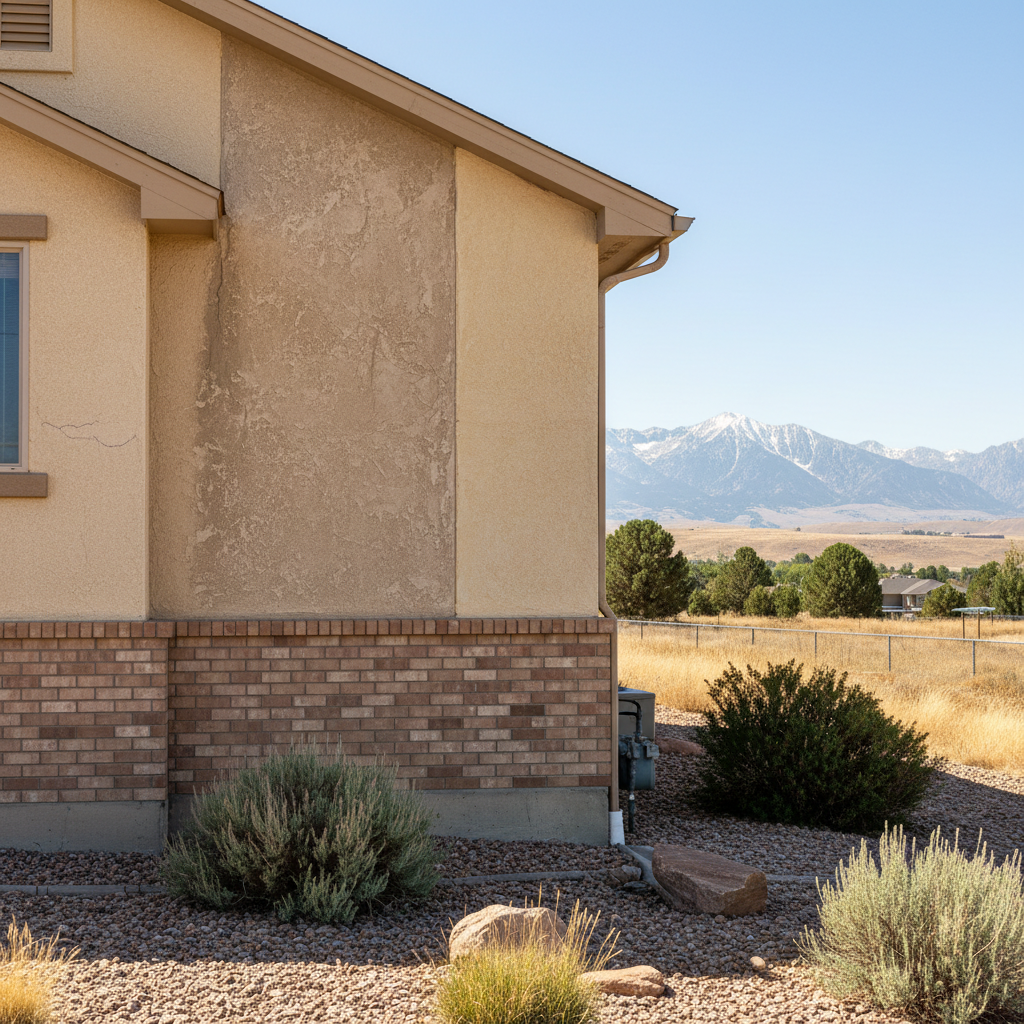
Alright, let's talk stucco repair. You've got some cracks, maybe a bit of chipping, and now you're wondering what the heck to do. For homeowners in South Jordan, it usually boils down to two main choices: a spot patch or a full resurface. I've seen both done a million times, and I'm here to tell you what's what.
Patching Stucco: The Quick Fix
Patching is exactly what it sounds like. We go in, cut out the damaged section, and apply new stucco to match the existing finish. It's often the first thing people think of because it seems like the easiest and cheapest option, and sometimes, it is.
Cost & Time
Yeah, patching is definitely cheaper upfront. You're paying for less material and less labor. For small, isolated cracks or dings, it's a no-brainer. We can usually get a patch done in a day or two, depending on the size and how much prep work is needed. It's a good solution if you've got a single impact mark, say from a rogue baseball, or a small area of water damage that's been caught early.
Durability & Appearance
Here's where it gets tricky. A patch is only as good as the surrounding stucco. If the rest of your stucco is old, brittle, or has a bunch of hairline cracks everywhere, that patch might stick out like a sore thumb. Matching the texture and color perfectly is tough, even for the best stucco guys. We'll always try our best, but stucco fades and weathers over time, so new material will almost always look different initially. It usually blends in better after a year or two of sun exposure, but you'll likely see a difference up close. And if the underlying problem isn't fixed, like a structural issue causing cracks, that patch might just crack again.
Full Stucco Resurface: The Long-Term Play
A full resurface is a bigger job. This is where we either remove the old stucco entirely down to the sheathing, or we apply a new layer of stucco over the existing, sound stucco. It's a more comprehensive approach, and it addresses the whole shebang.
Cost & Time
No sugarcoating it, a full resurface costs more. You're talking about more materials, more labor, and more time. This isn't a weekend job. Depending on the size of your house, it could take a week or two, sometimes more. But you're getting essentially a brand-new exterior finish.
Durability & Appearance
This is where resurfacing shines. When we resurface, we can make sure the entire wall system is solid. We can address any underlying issues, apply new flashing where needed, and ensure a consistent, durable finish across your whole home. You get a uniform color and texture, making your house look fresh and new. This is especially important in places like South Jordan where we see those big temperature swings – hot summers, cold winters, and that freeze-thaw cycle can really put stress on older stucco. A full resurface gives you a clean slate, and when done right by a company like Allied Stucco Co., it's built to last for decades.
Which One's Right For You in South Jordan?
Okay, so how do you decide? Here's my take, based on what I've seen on homes from Daybreak to Glenmoor:
Small, isolated damage on otherwise good stucco: Go for a patch. If you've got a single hole or a crack that's less than a foot long and the rest of your stucco looks solid, a patch is probably fine. Just be ready for a slight color difference for a while.
Lots of cracks, widespread fading, or multiple areas of damage: You're better off with a full resurface. Trying to patch a dozen spots will end up looking like a patchwork quilt, and you'll likely spend almost as much as a resurface without getting the same long-term benefits or curb appeal. If your stucco is showing its age, with lots of spiderweb cracks or a generally tired look, a full resurface is the way to go.
Water intrusion issues: If you've got water getting behind your stucco in multiple places, or if the damage is extensive due to moisture, patching is just putting a band-aid on a bigger problem. You need to get the whole system inspected and likely resurfaced to ensure proper drainage and protection.
Selling your home soon: If you're looking to boost curb appeal for a sale, a full resurface offers a much better return on investment than a bunch of mismatched patches. It makes a huge difference to potential buyers.
Ultimately, it comes down to the extent of the damage, your budget, and what you want your house to look like in five or ten years. Don't just pick the cheapest option without thinking about the long game. Sometimes, spending a bit more upfront saves you a lot of headaches and money down the road. Give us a call, and we can come out, take a look at your place, and give you an honest assessment of what we think is best for your specific situation.