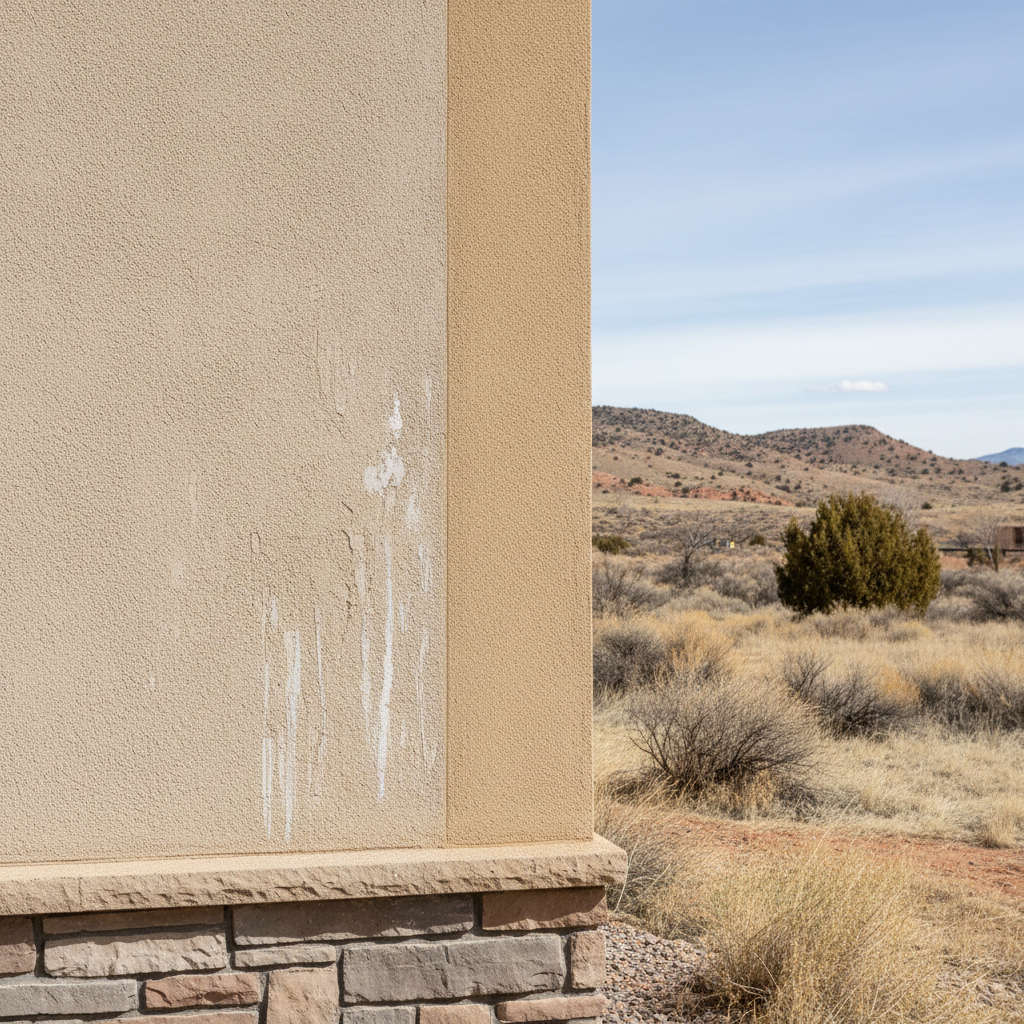
Alright, let's talk stucco redashing. You've got a stucco home, maybe it's looking a little tired, cracked, or you just want a fresh new color. The big question I get asked all the time is: should I go with traditional cement stucco for the new finish coat, or should I consider synthetic stucco, also known as EIFS (Exterior Insulation and Finish System)?
It's a fair question, and honestly, there's no single 'right' answer for everyone. But based on what I've seen working on homes all over South Jordan, from Daybreak to the older neighborhoods closer to Redwood Road, I can give you the straight scoop on what to expect from each.
Traditional Cement Stucco Redash
This is what most people think of when they hear 'stucco.' It's a Portland cement-based product, usually applied in a couple of coats over an existing, prepped stucco surface. Think of it as a fresh layer of durable, breathable concrete for your walls.
- Cost: Generally, traditional redashing is a bit less expensive upfront than synthetic. You're dealing with simpler materials and often a less complex application process for just the finish coat.
- Durability: It's tough. Really tough. It stands up to our crazy Utah weather pretty well – those hot summers and freezing winters. It's impact resistant, so stray baseballs or hailstones aren't usually a huge concern. However, it's rigid, so it can crack over time, especially with ground movement or if the house settles.
- Maintenance: Pretty low. You'll want to clean it occasionally, maybe power wash it gently every few years to get rid of dust and grime. If cracks appear, they're usually repairable, but matching old textures and colors can be tricky.
- Appearance: It gives you that classic, earthy stucco look. You can get various textures – smooth, sand float, dash, worm finish – and it can be painted any color you like. The color is usually in the paint, not mixed into the stucco itself, though some modern traditional stuccos offer integral color.
Synthetic (EIFS) Stucco Redash
Now, EIFS is a different animal. When we're talking about redashing with EIFS, we're typically applying a thin, acrylic-based finish coat over a base coat that might or might not include an insulation board, depending on the existing wall system and what you're trying to achieve. For a redash, it's often just the acrylic finish over a prepared traditional stucco base.
- Cost: It tends to be more expensive. The materials themselves are pricier, and the application requires a bit more specialized knowledge and technique.
- Durability: This is where EIFS shines in some ways. It's flexible. That acrylic finish can handle a lot more movement and temperature swings without cracking compared to traditional stucco. That's a big deal here in South Jordan where we see significant temperature shifts and sometimes even a little ground movement. It's also fantastic for water resistance. However, it's not as impact resistant as traditional stucco. A sharp hit can dent or puncture it, though it's usually repairable.
- Maintenance: Also low, but with a different focus. You'll want to keep it clean, just like traditional stucco. The key with EIFS is proper flashing and sealant around openings (windows, doors, penetrations). If water gets behind EIFS due to poor installation or damaged flashing, it can cause problems. But if it's done right by a company like Allied Stucco Co, it's incredibly durable.
- Appearance: EIFS offers a huge range of colors and textures. Because the color is integral to the finish coat, it's incredibly consistent and won't fade or chip like paint. You can achieve very smooth, modern looks or more traditional textures.
My Recommendation for South Jordan Homeowners
Look, both are good products when installed correctly. But if you're asking me, for most homeowners in South Jordan looking to redash their existing stucco, I lean towards a high-quality acrylic finish (synthetic) over your prepped traditional stucco base.
Here's why:
- Flexibility: The flexibility of acrylic stucco is a huge advantage in our climate. It handles the expansion and contraction from our hot summers and cold winters much better, meaning fewer hairline cracks down the road.
- Water Management: When applied correctly, the acrylic finish provides an excellent barrier against moisture, which is always a concern.
- Color Retention: The integral color in synthetic stucco means your house will hold its fresh look for much longer without needing to be repainted. That's a big time and money saver over the years.
- Modern Aesthetics: If you're looking to update your home's look, EIFS gives you more options for a clean, contemporary finish.
Now, if your existing stucco is in really bad shape, or you're specifically looking for the absolute cheapest option and don't mind potential cracking down the line, traditional redashing is still a viable choice. But for the best long-term performance, appearance, and reduced maintenance in our specific environment, I'd seriously consider the synthetic acrylic finish.
No matter which way you go, the most important thing is to hire a reputable contractor who knows what they're doing. A bad stucco job, whether traditional or synthetic, will cause you headaches. Give us a call at Allied Stucco Co if you want to talk through your options and get a solid quote.